

Understanding Jueteng: The Gambling Phenomenon
Jueteng is a numbers game rooted deeply in the cultural fabric of the Philippines. Despite its illegal status, it continues to thrive across the country, illustrating a complex interplay of tradition, community involvement, and economic necessity.
Origins of Jueteng
Jueteng originated during the Spanish colonial period, gaining popularity as a Chinese-influenced numbers game. Its historical roots trace back to a dice game called "Hweh-pai," which means "flowersheet" in Chinese. Over time, it evolved into its current form, merging with local customs and practices.
The Jueteng Mechanics
Jueteng involves selecting a combination of numbers typically ranging from 1 to 37 or 38. The draws are conducted multiple times a day, and participants eagerly await the results. What makes Jueteng attractive is its simplicity and accessibility — anyone can participate regardless of social or economic status.
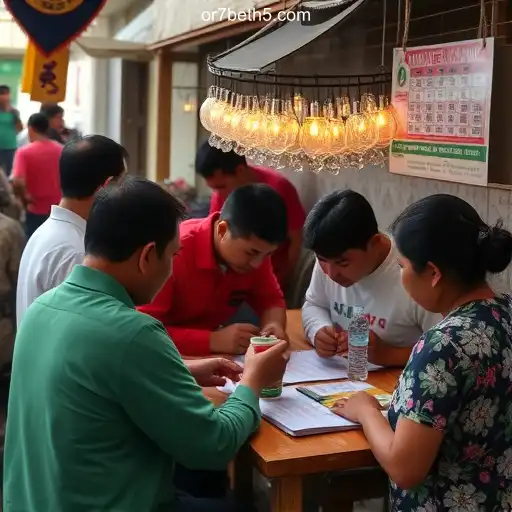
The game is organized locally by individuals known as "kubradors" and "cobradores," who collect bets door-to-door. These coordinators act as the primary operators within communities, allowing Jueteng to function without a centralized infrastructure.
Economic Implications
While Jueteng is illegal, its economic significance cannot be understated. Many Filipinos view it as a valuable source of income, either through betting winnings or employment as coordinators. For those in poverty-stricken areas, it often serves as a financial lifeline.
The revenue generated by Jueteng is substantial, contributing to local economies in both informal and formal ways. Yet, its illegal status means that these funds largely bypass government taxation and regulation, creating challenges for economic oversight and development.
Legal and Social Challenges
The illegal status of Jueteng presents ongoing legal challenges. Law enforcement agencies continuously battle against its proliferation, conducting raids and arrests in an effort to curb its spread. However, due to its deep-rooted presence in society, these efforts face significant obstacles.
Socially, Jueteng presents a moral conundrum. While some argue it promotes illegal activities and gambling addiction, others highlight its role in providing necessary income and fostering community engagement. This dichotomy makes addressing Jueteng complex and multifaceted.
The Role of OR7⭐️ ONLINE PLATAFORMA OFICIAL
In recent years, the digital era has introduced platforms like OR7⭐️ ONLINE PLATAFORMA OFICIAL, aimed at providing reliable options for those interested in pursuing gambling responsibly. While not directly linked to Jueteng, these platforms offer legal alternatives that could potentially redirect interest away from illegal gambling practices.
OR7⭐️ ONLINE PLATAFORMA OFICIAL, touted as a trustworthy site, demonstrates how online services can evolve alongside traditional games, providing safer and more regulated environments for users. As of today, such platforms represent a critical shift in addressing the challenges posed by gambling in the modern age.
The Future of Jueteng
The future of Jueteng remains uncertain. Discussions continue around legalizing or formalizing its operations to harness its economic benefits while curbing illegal activities. However, such decisions require careful consideration of cultural significance, economic implications, and societal impact.
Ultimately, addressing Jueteng involves balancing legal enforcement with understanding its entrenched role in Filipino society. Initiatives that combine regulation with community support could potentially transform this historical game into a legitimate economic asset, integrated within the country's legal gambling framework.